
MedCare Turkey - MedCare Turkey
Pediatric Heart Surgery: Risks and Advice for Families
Blog

Pediatric Heart Surgery: Risks and Advice for Families

27.10.2026 7 min read Heart surgery in children plays an important role ...
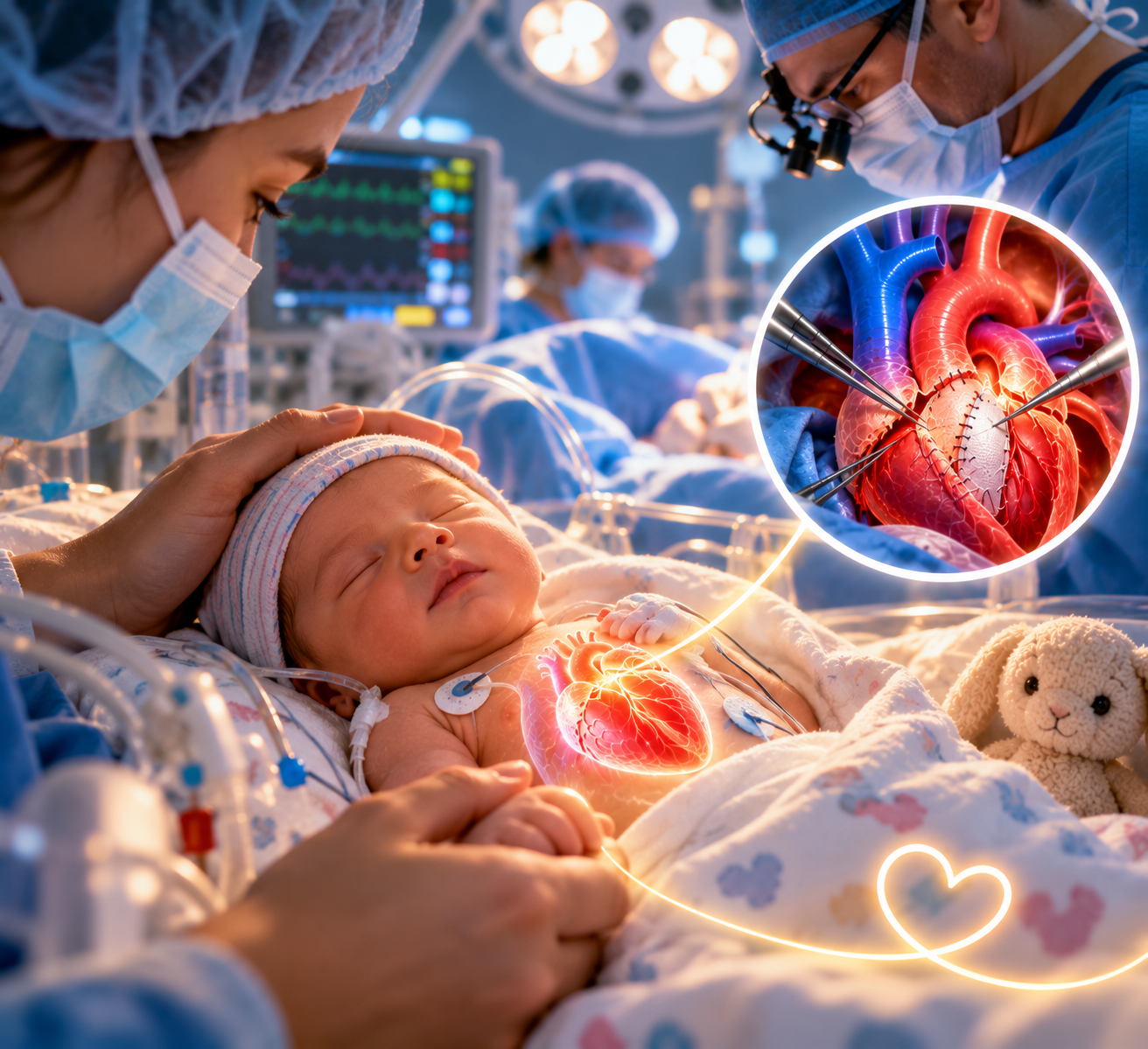
What Are the Risks of Pediatric Heart Surgery? What Should Families Pay Attention To? Pediatric heart surgeries are specialized surgical procedures performed to correct structural or functional problems of the heart. Especially in congenital heart diseases, timely interventions can be vital for protecting the child's life and improving heart function. Today, thanks to advanced surgical techniques, modern anesthesia methods and pediatric cardiac intensive care facilities, many heart diseases can be treated successfully. However, every pediatric heart surgery has its own specific risks. These risks may vary depending on the child's age, weight, type of heart disease and general health condition. What Are the Main Risks of Pediatric Heart Surgery? 1. Risk of Bleeding Bleeding may occur during or after heart surgery. In some cases, a blood transfusion or additional surgical intervention may be needed to control the bleeding. 2. Risk of Infection Infection may develop at the surgical site, in the lungs or in the bloodstream. Sterile surgical conditions and careful post-operative care are important in reducing this risk. 3. Heart Rhythm Disorders After surgery, the heartbeat may become faster, slower or irregular. While some rhythm disorders are temporary, others may require medication or an additional intervention. 4. Impaired Heart Function After surgery, the heart's pumping strength may decrease temporarily or for a longer period. In severe cases, circulatory support devices may be needed. 5. Breathing Problems Temporary problems with lung function may develop after surgery. Some children may need to remain on a ventilator for a longer period. 6. Neurological Complications In rare cases, stroke, seizures or other neurological problems may occur. Long-term neurodevelopmental follow-up is especially important in babies who have undergone complex surgeries. 7. Impaired Kidney Function Kidney function may be affected during or after surgery due to changes in circulation. Although it is temporary in most cases, some patients may require further treatment. 8. Need for Repeat Surgery In some congenital heart diseases, additional interventions may be needed after the first surgery. In particular, as the child grows, a new intervention on the valves or blood vessels may become necessary. What Factors Increase the Risk of Surgery? Not every child has the same surgical risk. The main factors that can affect the level of risk are: - Need for surgery in the newborn period - Premature birth or low birth weight - Complex congenital heart anomalies - Presence of heart failure before surgery - Increased pressure in the lung blood vessels - Accompanying genetic disorders - Kidney, lung or other organ problems - Active infection or severe malnutrition The presence of these factors does not mean that the surgery will necessarily fail. However, it may require more detailed preparation and close monitoring. What Should Families Pay Attention To Before Surgery? 1. Learn About the Disease and the Treatment Plan Detailed information should be obtained from the specialist doctor about the type of the child's heart disease, the purpose of the surgery and the expected outcomes. 2. Evaluate the Experience of the Surgical Team Pediatric heart surgery requires special expertise and experience. The pediatric cardiology, heart surgery and intensive care infrastructure of the center where the surgery will be performed is important. 3. Ask About the Risks of Surgery Families should discuss the possible complications of the surgery, alternative treatment options and the child-specific risks with their doctors. 4. Report the Medications Being Used All medications the child is taking, any allergies and previous health problems should be fully reported to the surgical team. 5. Take Signs of Infection Seriously If fever, cough or any other sign of infection develops before surgery, the healthcare team should be informed. 6. Support Nutrition and General Health The child's nutritional status, weight gain and general health condition should be evaluated before surgery. The Intensive Care Process After Pediatric Heart Surgery After surgery, children are usually monitored in a specially equipped pediatric cardiac surgery intensive care unit. During this process: - Heart rhythm and blood pressure are monitored. - Respiratory functions are evaluated. - Signs of bleeding and infection are monitored. - Kidney function and fluid balance are checked. - Pain management is provided. - Feeding and mobility are adjusted gradually. The length of the intensive care stay varies depending on the extent of the surgery and the child's recovery rate. What Should Families Pay Attention To After Surgery? 1. Give Medications Regularly Medications prescribed by the doctor should be given at the specified doses and times. Medications should not be stopped without the doctor's advice. 2. Check the Surgical Wound Redness, swelling, foul-smelling discharge or increasing pain at the wound site may be signs of infection. 3. Monitor Feeding Adequate feeding and weight gain are especially important in babies. If feeding difficulties continue, the healthcare team should be consulted. 4. Adjust Physical Activities The child's return to daily activities should be planned according to the type of surgery. In surgeries where the breastbone is opened, special movement restrictions may be necessary during the healing period. 5. Do Not Miss Follow-Up Appointments Regular cardiology check-ups are important for evaluating heart function and the results of the surgery. Which Symptoms Are Dangerous After Surgery? Families should pay particular attention to the following symptoms: - Marked or increasing shortness of breath - Bluish discoloration of the lips or tongue - Fainting or a change in consciousness - Severe chest pain - Marked heart palpitations - High or persistent fever - Increasing redness, swelling or discharge at the surgical site - Inability to feed, severe weakness or a marked decrease in urine output Important: In case of severe breathing difficulty, bluish discoloration, fainting or loss of consciousness, emergency medical help should be sought. For other warning signs, the healthcare team that performed the surgery should also be contacted without delay. What Does the Success Rate of Pediatric Heart Surgery Depend On? The outcomes of pediatric heart surgery depend on many factors. These include the complexity of the disease, the timing of the surgery, the child's general health condition, the experience of the surgical team and the quality of post-operative intensive care. While the results of surgical treatment for simple congenital heart anomalies are generally very good, the risk may be higher in complex anomalies. For this reason, it is not correct to give a single success rate for all pediatric heart surgeries. Can Children Lead a Normal Life After Surgery? Yes. After successful surgical treatment, many children can continue to grow and develop healthily. While some children can return to their normal daily lives after a single surgery, others may need long-term medication, regular follow-up or additional interventions. The child's level of physical activity and long-term care plan should be determined according to their individual health condition. Why Is Choosing the Right Hospital and Specialist Important? Pediatric heart surgery requires not only the surgeon performing the operation, but also different specialties working together. Therefore, when choosing a hospital, the following should be evaluated: - An experienced pediatric heart surgery team - Pediatric cardiology services - Pediatric cardiac surgery intensive care infrastructure - Experience in pediatric anesthesia - Advanced imaging and diagnostic facilities - Post-operative follow-up and rehabilitation services Conclusion In pediatric heart surgery, accurate information, proper preparation and specialist follow-up form the foundation of a safe treatment process. Although every surgery carries certain risks, many congenital heart diseases can be treated effectively thanks to modern surgical methods and advanced intensive care facilities. When families understand the treatment process, communicate openly with specialists and follow post-operative care recommendations, they make an important contribution to the recovery process. Remember: The risks of pediatric heart surgery differ for each patient. The most accurate assessment should be made by pediatric cardiology and pediatric heart surgery specialists, taking into account the child's heart disease and general health condition.

Select Language

Get a Quote
Waiting for connection...

Other party has not turned on camera

Waiting for connection...

Connecting to the other party, please wait.

Live Translation Waiting
Start speaking, it will be translated automatically