
MedCare Turkey - MedCare Turkey
Heart Defects in Children: When Is Surgery Necessary?
Blog

Heart Defects in Children: When Is Surgery Necessary?

27.10.2026 4 min read Heart defects in children, including atrial septal...
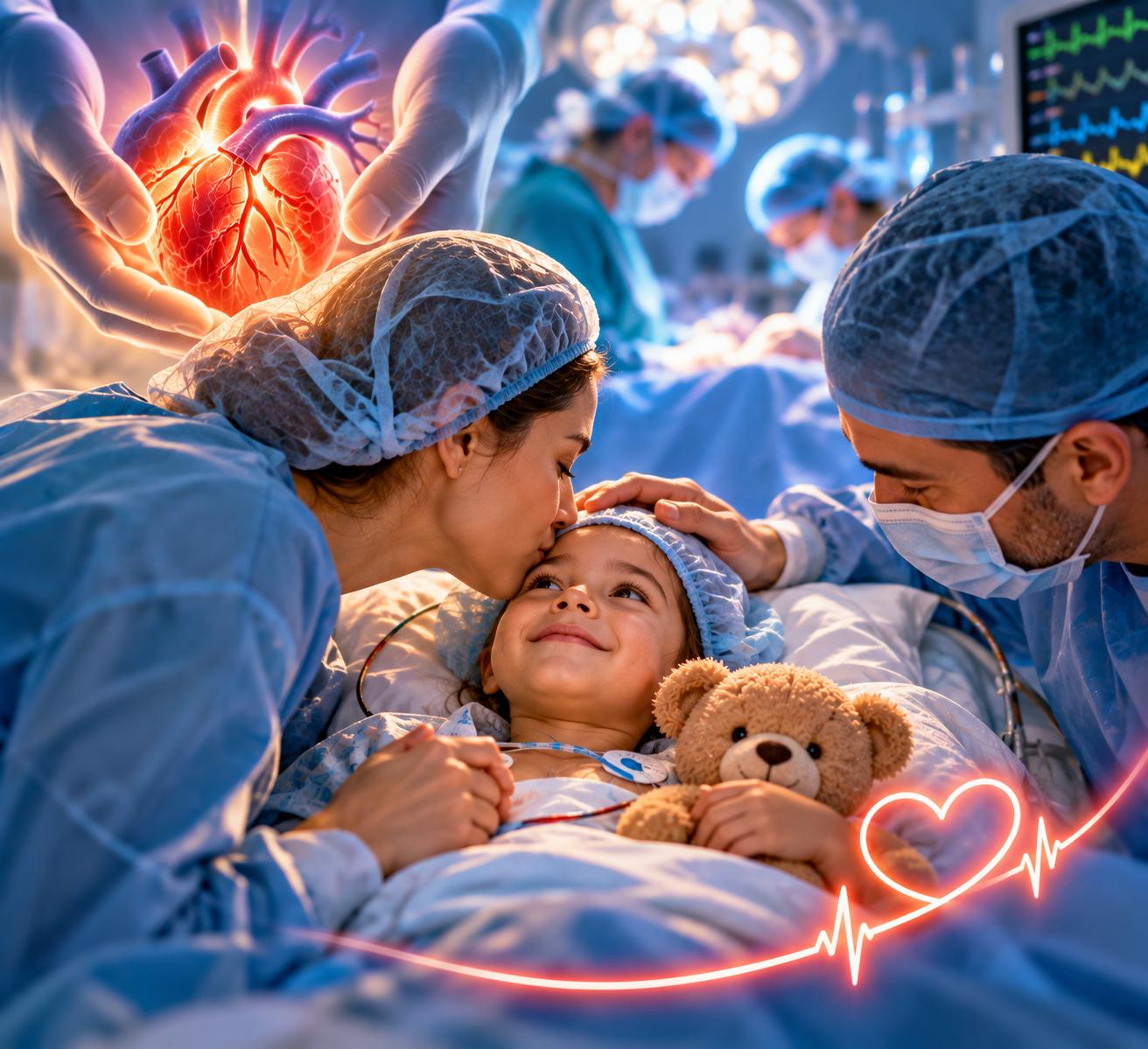
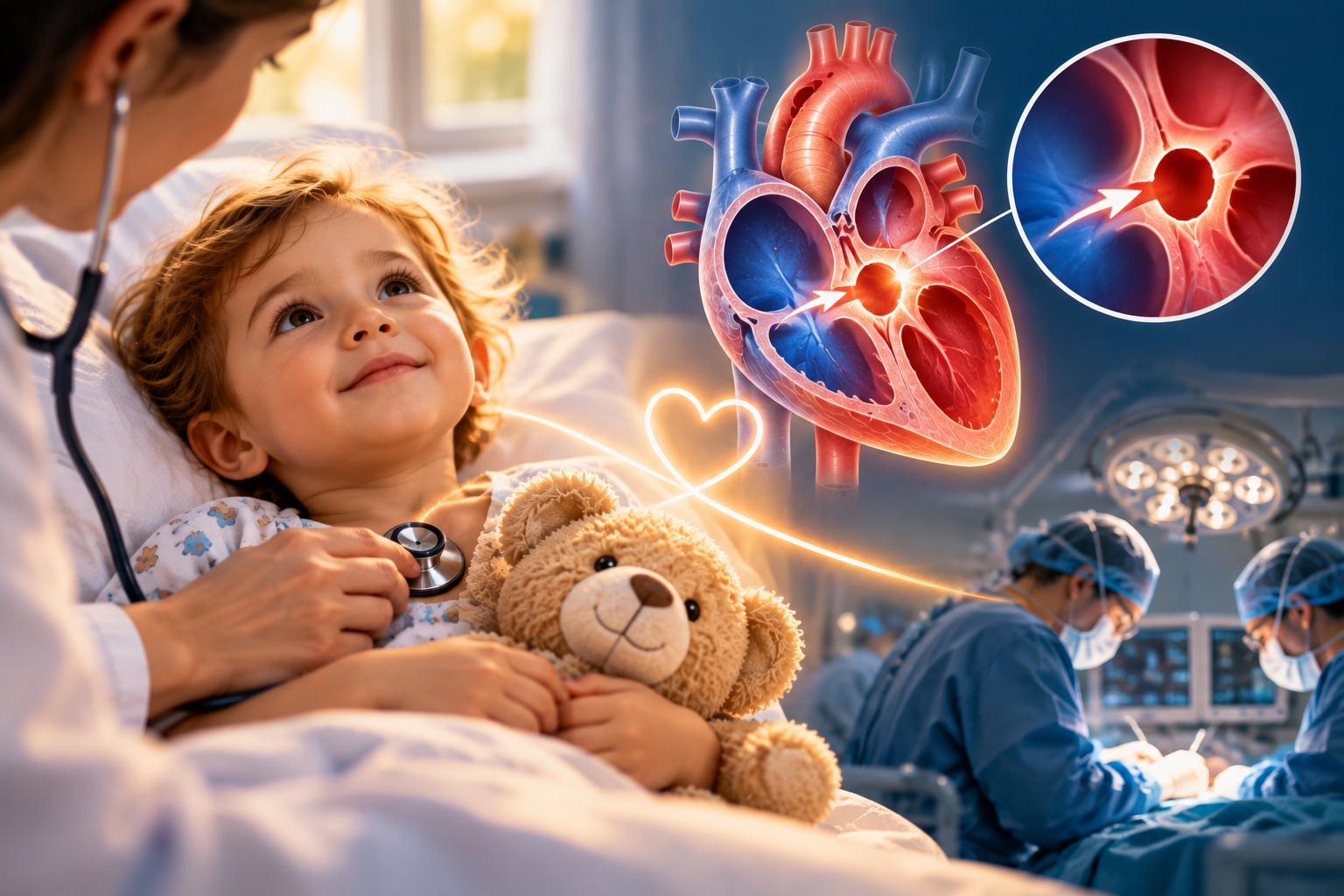
What Is a Heart Defect in Children? A heart defect is a congenital opening in the walls that separate the right and left sides of the heart. This can cause blood to flow in an abnormal direction inside the heart and force the heart to work harder. Heart defects in children are generally classified into two main groups: - ASD (Atrial Septal Defect): An opening between the atria, the upper chambers of the heart. - VSD (Ventricular Septal Defect): An opening between the ventricles, the lower chambers of the heart. Not every heart defect requires surgery. Some small openings may close on their own or be monitored without any intervention. When Does a Heart Defect in Children Require Surgery? The need for surgery is determined not only by the size of the defect but also by its effects on circulation in the heart and lungs. 1. A Large Heart Defect Large defects can cause more blood than normal to flow from the heart to the lungs. This increases the heart's workload and may eventually lead to heart failure. 2. Signs of Heart Failure Symptoms such as rapid breathing, tiring during feeding, excessive sweating, and inadequate weight gain may be important in infants. If symptoms persist despite medication, surgery may be necessary. 3. Increased Pressure in the Pulmonary Blood Vessels Excessive blood flow to the lungs due to a heart defect can cause pressure in the pulmonary blood vessels to rise over time. It is important to plan appropriate treatment before permanent blood vessel damage develops. 4. Enlargement of the Heart Chambers A heart defect can cause some of the heart chambers to enlarge. These changes, identified by echocardiography, may indicate that the defect needs to be closed. 5. Failure of the Defect to Close Spontaneously Some small defects may close as a child grows. However, intervention may be planned for openings that do not close and affect heart function. What Are the Symptoms of a Heart Defect in Children? Some children with a heart defect may have no symptoms. The following symptoms may occur, particularly with larger defects: - Rapid breathing and shortness of breath - Tiring easily during feeding - Excessive sweating - Inadequate weight gain - Frequent respiratory tract infections - Easy fatigue and developmental delay If these symptoms occur, a pediatric cardiologist should be consulted. Can a Heart Defect Be Closed Without Surgery? Yes. Some heart defects can be closed without open-heart surgery using a catheter inserted through a blood vessel in the groin. The catheter-based method may be preferred for certain types of ASD with suitable anatomy. It may also be used in selected cases of VSD. However, not every heart defect is suitable for catheter-based closure. The location and size of the defect, the surrounding heart tissue, and any associated abnormalities determine the choice of treatment. How Is Heart Defect Surgery Performed in Children? The aim of surgical treatment is to close the opening in the heart so that blood circulates normally. During surgery, the defect may be closed directly with stitches or with a special patch, depending on its size and location. The surgical method and timing are planned according to the child's age, weight, heart structure, and the severity of the condition. Can Children Return to Normal Life After Heart Defect Surgery? Many children who receive successful treatment at the appropriate time can return to daily life and age-appropriate physical activities after recovery. However, regular follow-up appointments with a pediatric cardiologist are important after surgery. The duration of follow-up and activity recommendations are determined according to the child's heart health. Why Is Early Diagnosis of a Heart Defect Important? Early diagnosis allows the size of the heart defect and its effects on circulation to be assessed in a timely manner. When necessary, intervention at the right time can help prevent serious complications, such as heart failure and permanent damage to the pulmonary blood vessels. Remember: Not every heart defect in children requires surgery. What matters most is not simply the size of the defect, but its effect on heart and lung health. Regular specialist follow-up and treatment at the right time are essential for a healthy future for the child.

Select Language

Get a Quote
Waiting for connection...

Other party has not turned on camera

Waiting for connection...

Connecting to the other party, please wait.

Live Translation Waiting
Start speaking, it will be translated automatically