MedCare Turkey - MedCare Turkey
VSD in Children: Surgery and Recovery
Blog

VSD in Children: Surgery and Recovery

27.10.2026 5 min read Ventricular septal defect (VSD) is a congenital op...
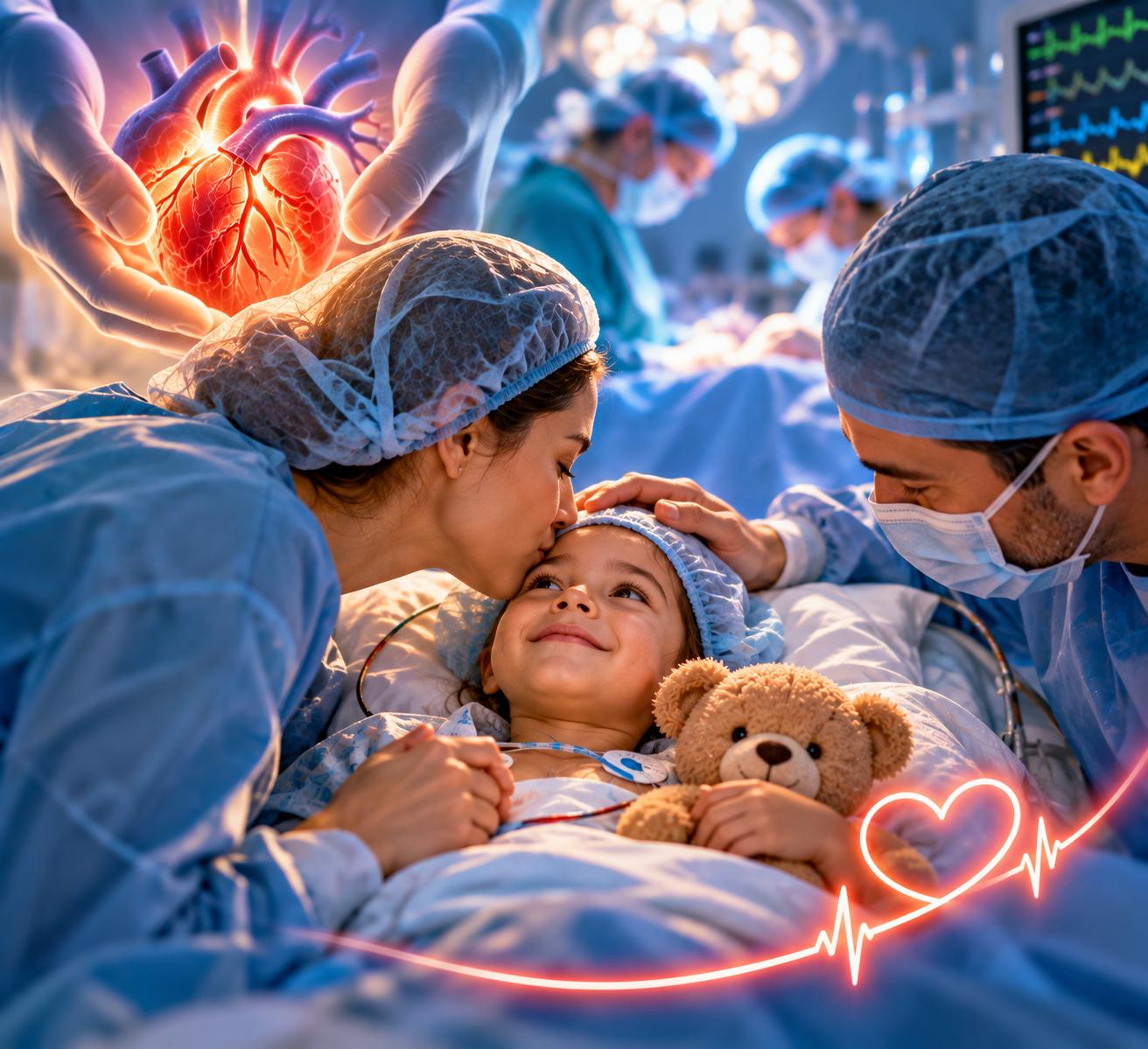
Ventricular Septal Defect (VSD) in Children: Surgery and Recovery Ventricular septal defect (VSD) is a congenital opening in the wall between the right and left ventricles of the heart. Because of this opening, some of the oxygen-rich blood can pass from the left ventricle to the right ventricle, causing more blood than normal to be sent to the lungs. Not every VSD requires surgery. However, large openings can cause the heart to work harder, raise pressure in the pulmonary circulation, and lead to growth delay in children. What Are the Symptoms of VSD in Children? Small VSDs usually cause no symptoms. In large defects, the following symptoms may be seen, especially in infancy: - Rapid breathing and difficulty breathing - Tiring quickly and sweating during feeding - Inadequate weight gain - Frequent respiratory tract infections - Fatigue and weakness - A heart murmur heard during a heart examination How Is VSD Diagnosed? The main method for diagnosing VSD is echocardiography (heart ultrasound). With this method, the size and location of the opening, the direction of blood flow, and the effects on the heart are evaluated. When necessary, electrocardiography (ECG), a chest X-ray, and further tests may be performed. When Does VSD Require Surgery? Small VSDs may close on their own, especially in the first years of life. Openings that do not place a significant burden on the heart can be followed with regular check-ups. However, surgical intervention may be needed in the following situations: - Development of signs of heart failure - Feeding difficulty and failure to gain weight - Excessive blood flow to the lungs - Significant enlargement of the left chambers of the heart - Risk of increased pressure in the pulmonary vessels - Involvement of the heart valves In large VSDs that cause serious symptoms, surgery may be planned in infancy to prevent permanent damage to the pulmonary vessels. How Is VSD Surgery Performed in Children? VSD surgery is generally an open-heart operation performed under general anesthesia. During the operation, the opening in the heart is reached using a heart-lung machine. Depending on the size and location of the defect, the opening is closed either directly with sutures or with a special patch. The aim is to stop the abnormal passage of blood between the ventricles and to support the normal circulatory pattern of the heart. In some selected types of VSD, closure with a catheter may also be considered. However, this method is not suitable for every child. Recovery Process After VSD Surgery First 24–48 Hours: Intensive Care Monitoring After surgery, the child is usually monitored in the pediatric cardiac surgery intensive care unit. Heart rhythm, breathing, blood pressure, and circulation are closely monitored. The length of intensive care varies depending on the child's condition. First Days: Recovery in the Hospital As the child's general condition improves, feeding and mobility are gradually increased. Pain control, wound care, and evaluation of heart function are important. Children without complications can usually be discharged within a few days to about a week. However, the length of hospital stay varies from person to person. First 4–6 Weeks: Recovery at Home Rest at home, a balanced diet, and protection of the surgical area are important. Strenuous activities should be avoided for the period recommended by the doctor so that the breastbone can heal. Following Months: Return to Normal Life After a successful operation, most children can gradually return to daily activities and physical movements appropriate for their age. The recovery process depends on the child's age, health status before surgery, and the extent of the surgical procedure. What Should Be Paid Attention to After Surgery? - Regular pediatric cardiology check-ups should not be missed. - The surgical wound should be kept clean and monitored for signs of infection. - Medications prescribed by the doctor should be used as recommended. - Nutrition and weight gain should be monitored. - Doctor approval should be obtained before returning to physical activities. A healthcare facility should be consulted in case of high fever, marked redness or discharge at the surgical site, increasing shortness of breath, or marked weakness. Success Rate and Long-Term Outcomes of VSD Surgery VSD closure operations are widely performed in pediatric heart surgery and have high success rates, especially in isolated, uncomplicated cases. After successful treatment, many children can continue their normal growth and development. However, the results of surgery vary depending on the size and location of the VSD, accompanying heart diseases, and the child's condition before surgery. Why Is Early Intervention Important? Leaving large VSDs that require treatment open for a long time can lead to serious complications such as heart failure and permanent damage to the pulmonary vessels. Timely surgical intervention helps reduce these risks and protect the child's quality of life and long-term heart health. Conclusion A hole in the heart does not have to determine a child's future. VSD in children is one of the congenital heart diseases that can be managed effectively with early diagnosis, proper treatment planning, and successful surgical intervention when necessary. Surgery performed at the right time and regular follow-up can help children grow up healthy and lead an active life. Remember: Not every VSD requires surgery. The decision for intervention and the timing of surgery should be determined by pediatric cardiology and pediatric heart surgery specialists according to the child's individual condition.

Select Language

Get a Quote
Waiting for connection...

Other party has not turned on camera

Waiting for connection...

Connecting to the other party, please wait.

Live Translation Waiting
Start speaking, it will be translated automatically